Sealants v3
Sealants, Adhesives & Fillers
With decades of experience supplying Australia's trade professionals, we understand the challenges you face on every job. From cabinet fitouts to high-rise glazing, we stock the brands and formulations that deliver professional results. Our team provides expert technical advice, helping you select the right product for substrate compatibility, environmental conditions and compliance requirements.
Whether you're sealing wet areas, bonding structural elements or finishing architectural facades, Lincoln Sentry has the products, knowledge and support to ensure your work meets the highest standards.
Silicone Sealants
Premium silicone and polyurethane sealants for wet areas, facades and structural applications. Including HEXFIX™, trade-grade silicone, Bostik sealants and structural bonding solutions with superior adhesion and weather resistance.
View RangeAdhesives & Glues
Professional woodworking adhesives, construction glues and hot melt systems. Fast-setting polyurethane glues, waterproof PVA, contact adhesives and speciality bonding solutions for timber, laminate, metal and composite materials.
View RangeCleaners & Lubricants
Keep tools performing and surfaces spotless. Specialised cleaners for removing silicone, adhesive residue and uncured sealant. Industrial wipes for quick cleanup. Lubricants and release agents for sliding hardware and hinges.
View Range
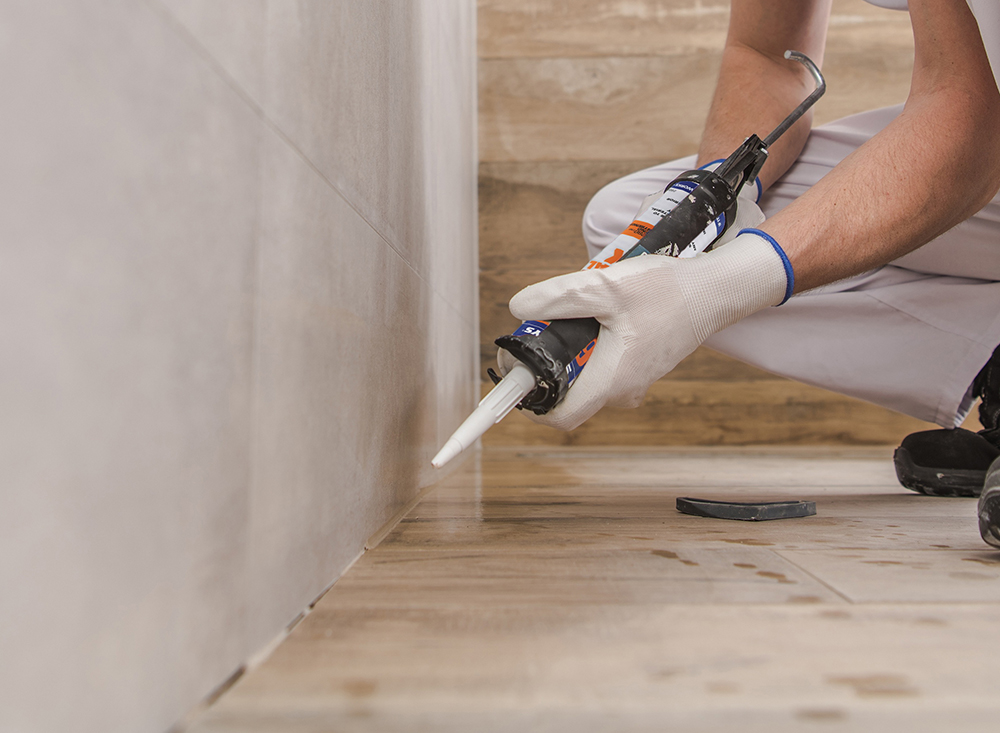
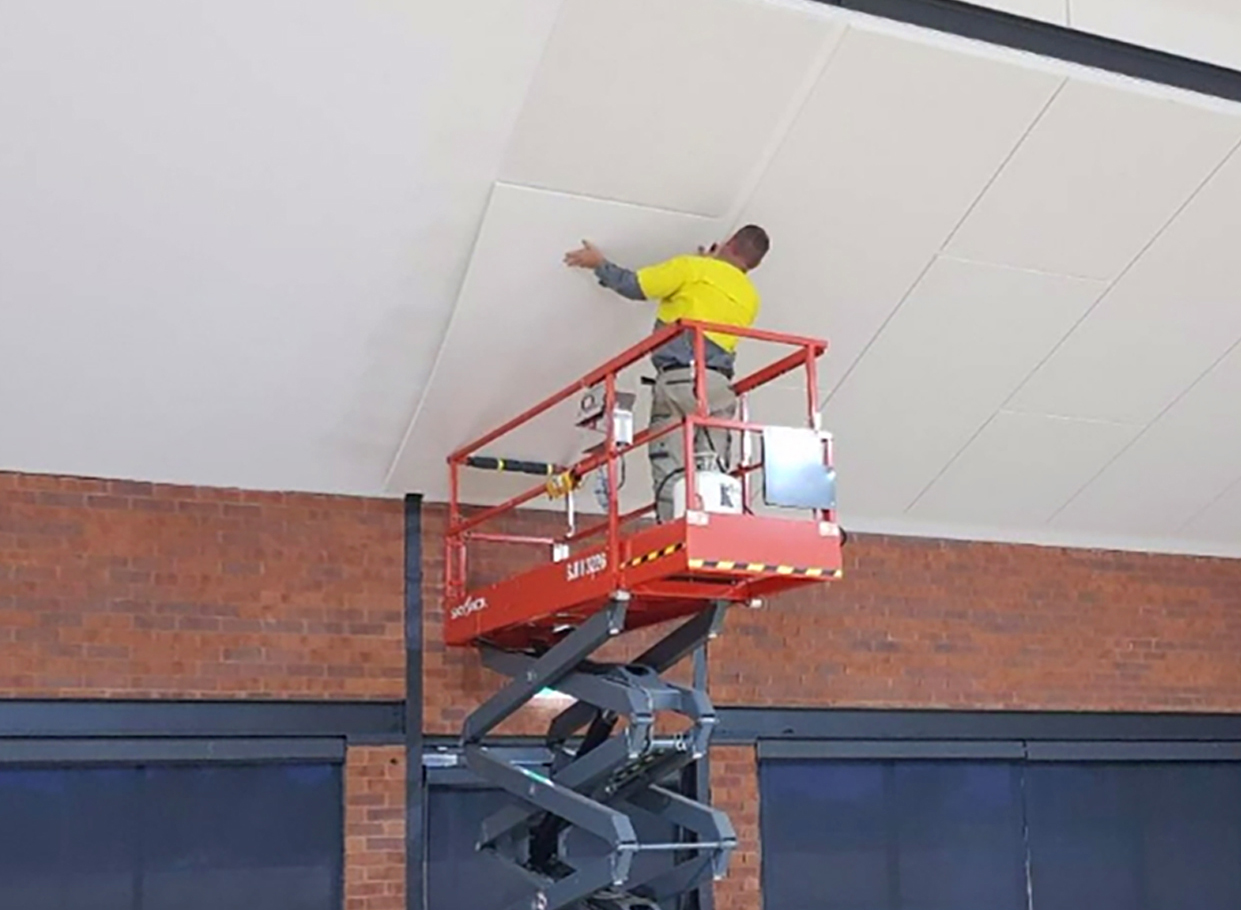
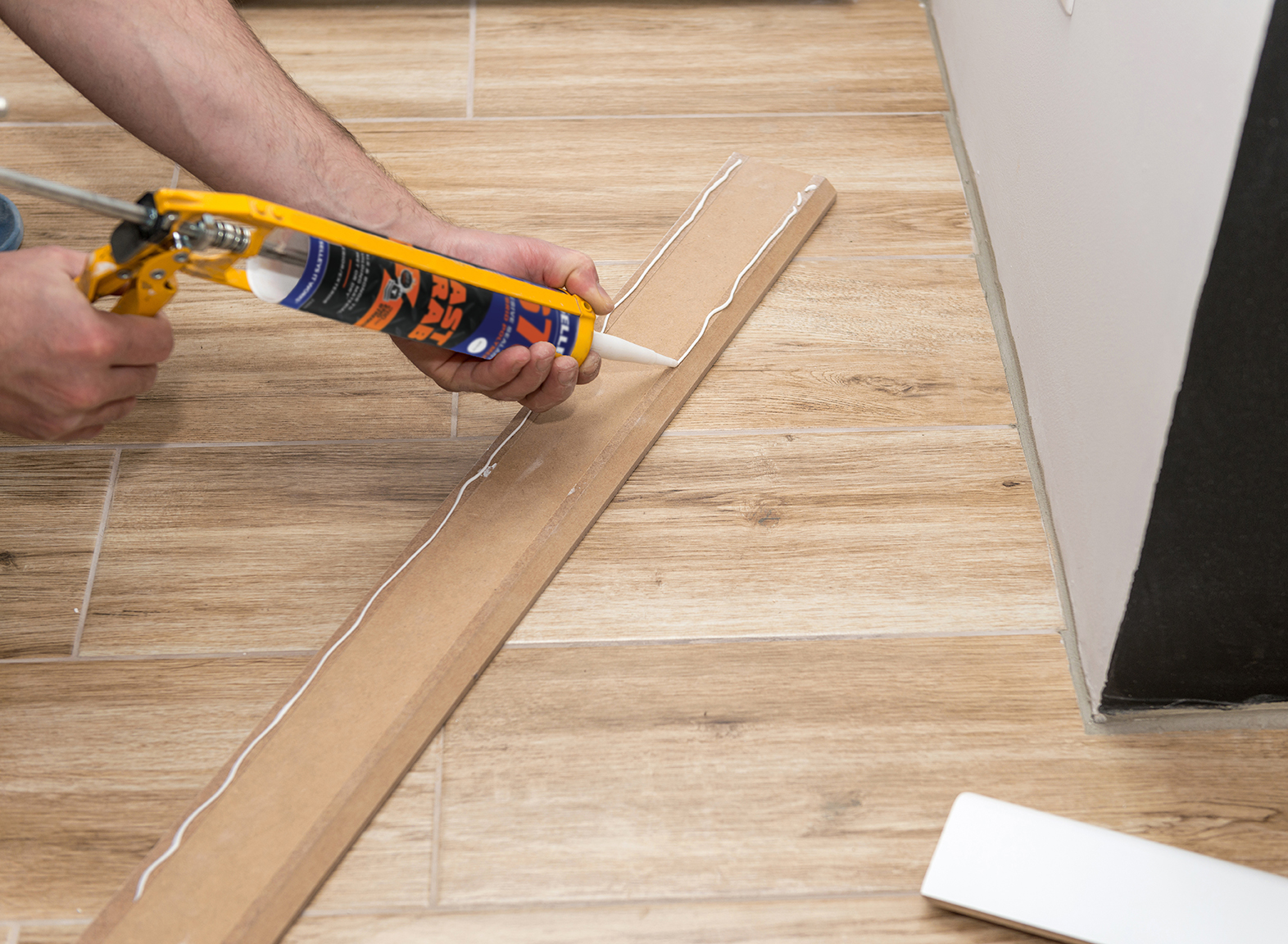
Black Sealant
Deep black finish ideal for modern facades, dark powder-coated frames and contemporary glass applications. Popular for architectural glazing and shopfront installations.
Aluminium Frames • Glass • Metal
White Sealant
Clean white finish for bathrooms, kitchens and sanitary applications. Matches white tiles, acrylic baths, shower screens and painted surfaces seamlessly.
Wet Areas • Bathrooms • Kitchens
Grey Sealant
Versatile neutral tone for stone benchtops, concrete, cement render and metallic surfaces. Complements modern grey colour schemes in residential and commercial projects.
Stone • Concrete • Render
Translucent / Clear
Invisible finish for glass-to-glass joints, polycarbonate, acrylic and applications where sealant should remain unobtrusive. Perfect for frameless shower screens and display cases.
Glass • Polycarbonate • Acrylic
Custom & Specialty Colours
Extended colour range including beige, ivory, brown, metallic, blue, red and yellow. Match natural stone, timber finishes, or specific architectural colour palettes for seamless project integration.
Natural Stone • Timber • Custom Match
Sealants, Adhesives & Fillers - FAQ's
Common questions about sealants, adhesives and their applications
What's the difference between silicone, acrylic and hybrid polymer sealants?
+Silicone sealants are waterproof, flexible and ideal for wet areas like bathrooms and kitchens. They remain elastic over time and handle movement well but aren't paintable.
Acrylic sealants are paintable and good for interior gaps and cracks but aren't suitable for constant water exposure. They're perfect for finishing work where you need to match paint colours.
Hybrid polymer sealants (SMP/MS Polymer) combine the best of both worlds—paintable like acrylic yet waterproof and flexible like silicone. They extrude smoothly with minimal effort, making application faster and less fatiguing on long jobs. Hybrid polymers offer excellent adhesion to most substrates without primer, low odour, and can be applied in wet conditions. Ideal for exterior joints, window perimeters, and multi-substrate bonding.
Can I use bathroom silicone for kitchen benchtops?
+Yes, bathroom-grade silicone sealants work well for kitchen benchtops. Look for mould-resistant formulations that meet Australian Standards for food-safe applications. These provide excellent water resistance and durability for benchtop installations.
Which adhesive is best for cabinet construction?
+For cabinet construction, PVA wood glue is the standard for interior applications. For moisture-prone areas or structural bonding, use polyurethane adhesive which offers superior water resistance and bond strength.
Edge banding and laminate work typically requires contact adhesive for instant grab and professional results.
How long does silicone take to cure?
+Most silicone sealants skin over in 10-20 minutes but require 24-48 hours for full cure. Thicker beads and high humidity can extend cure times.
Avoid exposing the sealant to water during the cure period. For critical applications, wait the full cure time before putting into service.
Do I need primer when using structural sealants?
+Yes, many substrates require primer for structural silicone applications. Porous materials like concrete, masonry and some metals need primer to ensure proper adhesion and meet structural engineering requirements.
Always check the manufacturer's technical data sheet for substrate-specific primer requirements. Structural applications must comply with Australian facade standards.
What sealant is best for architectural glazing applications?
+For architectural glazing, use neutral-cure structural silicone specifically designed for glass-to-metal and glass-to-aluminium bonding. Products like Bostik V60 offer high modulus strength, excellent UV resistance, and meet Australian facade engineering standards.
Structural glazing sealants must provide long-term elasticity to accommodate building movement, thermal expansion, and wind loads while maintaining weatherproof seals.
Can sealants be used on powder-coated aluminium frames?
+Yes, but surface preparation is critical. Powder-coated surfaces must be clean, dry and free from oils or release agents. Neutral-cure silicones or hybrid polymers work best as they won't cause discolouration or adhesion failure.
For structural applications on powder coat, test adhesion on a small area first or consult the sealant manufacturer's compatibility chart. Some powder coats may require light abrasion or primer for optimal bond strength.
What's the difference between acetoxy and neutral-cure silicone?
+Acetoxy silicone (acid-cure) releases acetic acid during curing, giving off a vinegar smell. It cures faster and is more economical but can corrode metals and isn't suitable for natural stone, concrete, or mirrors.
Neutral-cure silicone releases alcohol during curing with minimal odour. It's compatible with virtually all building materials including metals, stone, and mirrors. Use neutral-cure for architectural applications, sensitive substrates, and where corrosion is a concern.
How do I remove old silicone before resealing?
+Cut away the bulk of old silicone with a sharp blade or scraper, being careful not to damage the substrate. Use a silicone remover solvent to dissolve residual material—these products soften the remaining silicone for easy removal.
Clean the joint thoroughly with methylated spirits or isopropyl alcohol to remove all traces of old sealant, soap, and oils. The surface must be completely clean and dry before applying new sealant to ensure proper adhesion.
Your session has expired
Complete the Sign In below to log back into the online store
Please use the Forgot Password to reset your passwordlogin.error.
If you are a returning customer who has an Online Store account with Lincoln Sentry sign in below.
Need to open a Trade Account or access our Online Store?
Create Account